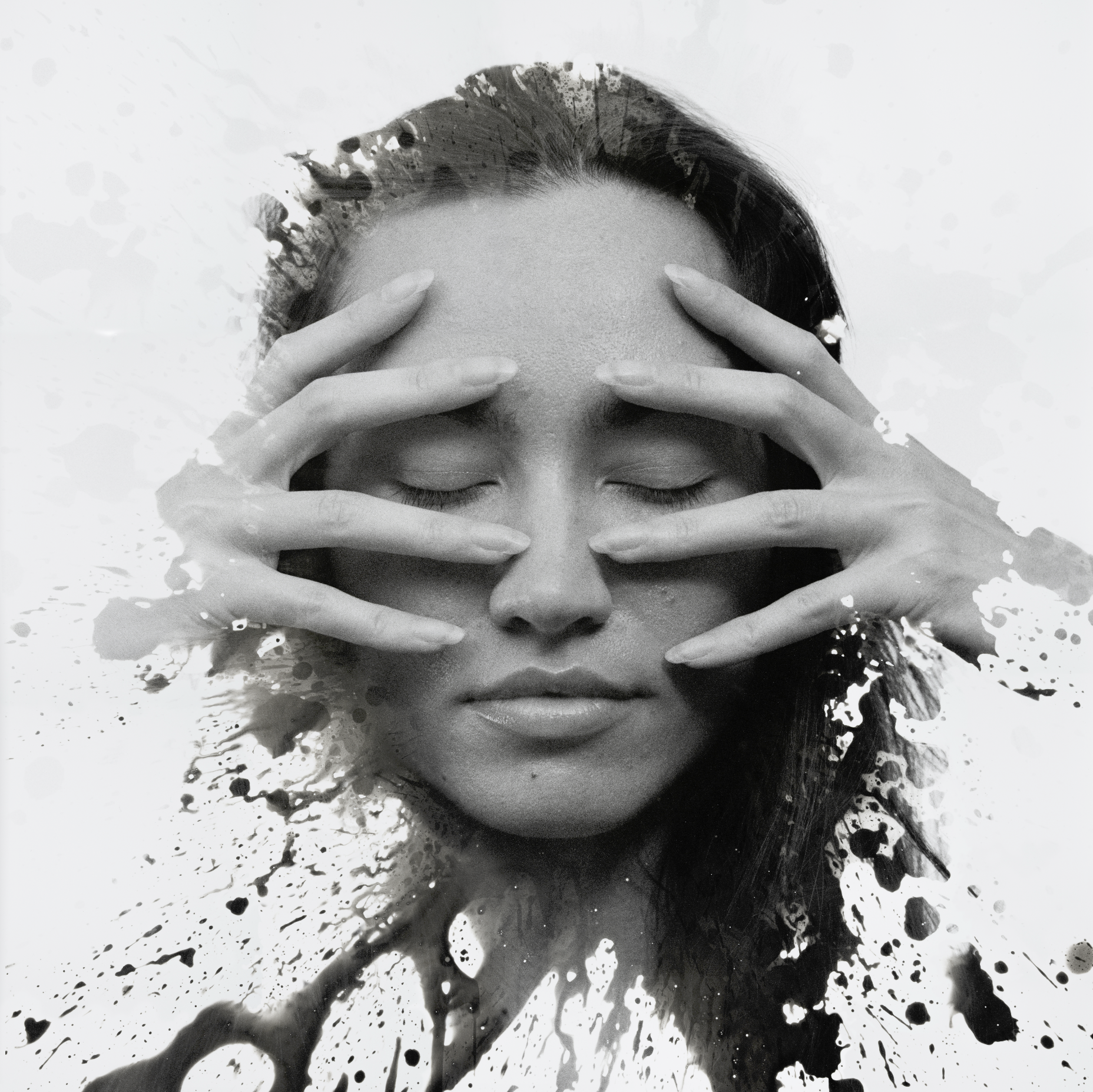
Peaceful Minds

A reflection on finding peace of mind in a chaotic, noisy world.

About Peaceful Minds

The project began from the desire to express peace and understanding in an increasingly chaotic world.

The series have been shot on medium format films (Ilford HP5) and printed by hand on fibre base paper (Ilford Multigrade FB Classic Glossy).
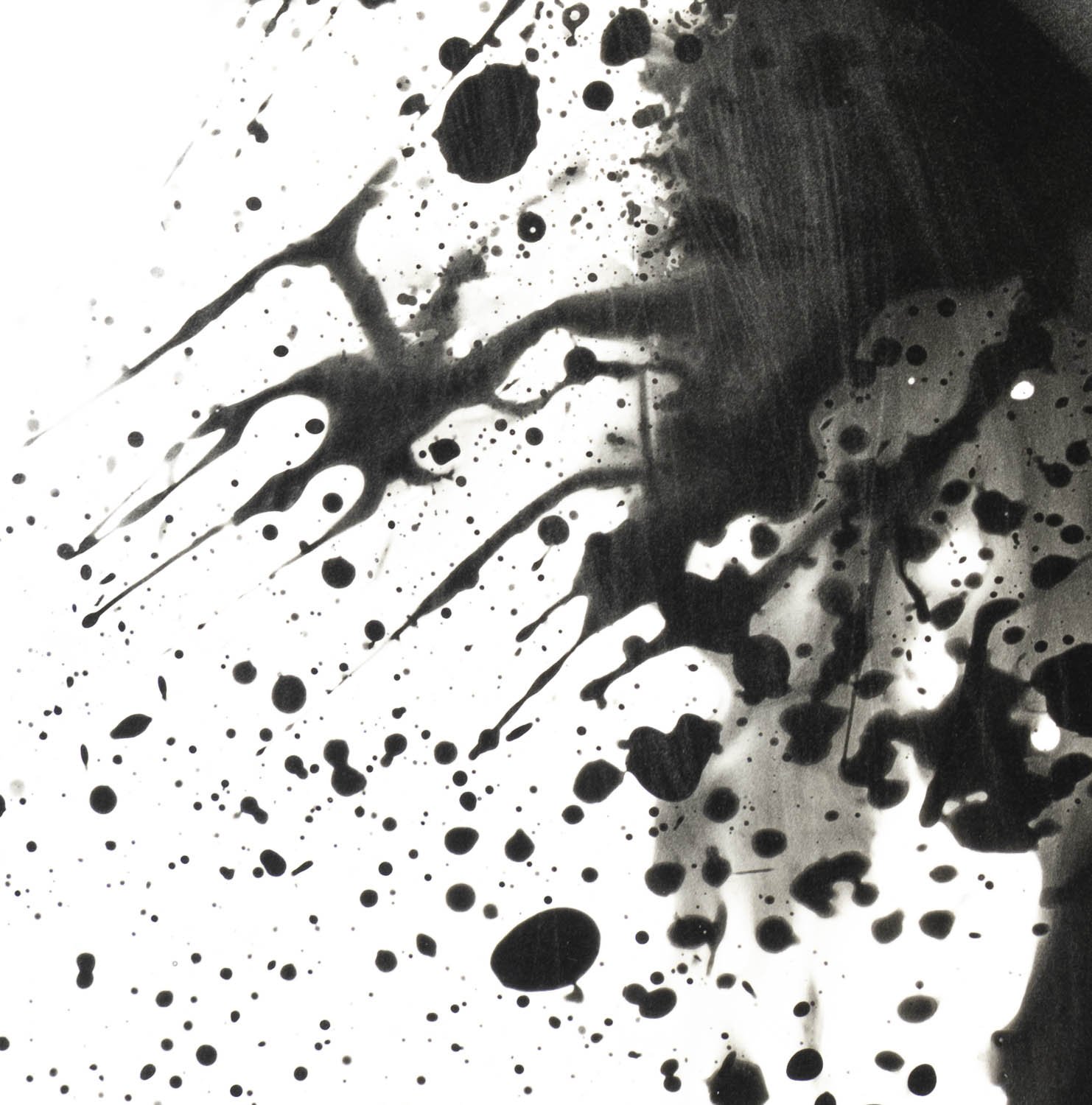
Unique prints

Each print is essentially a unique piece, created by splashing and brushing the developer onto the exposed paper.

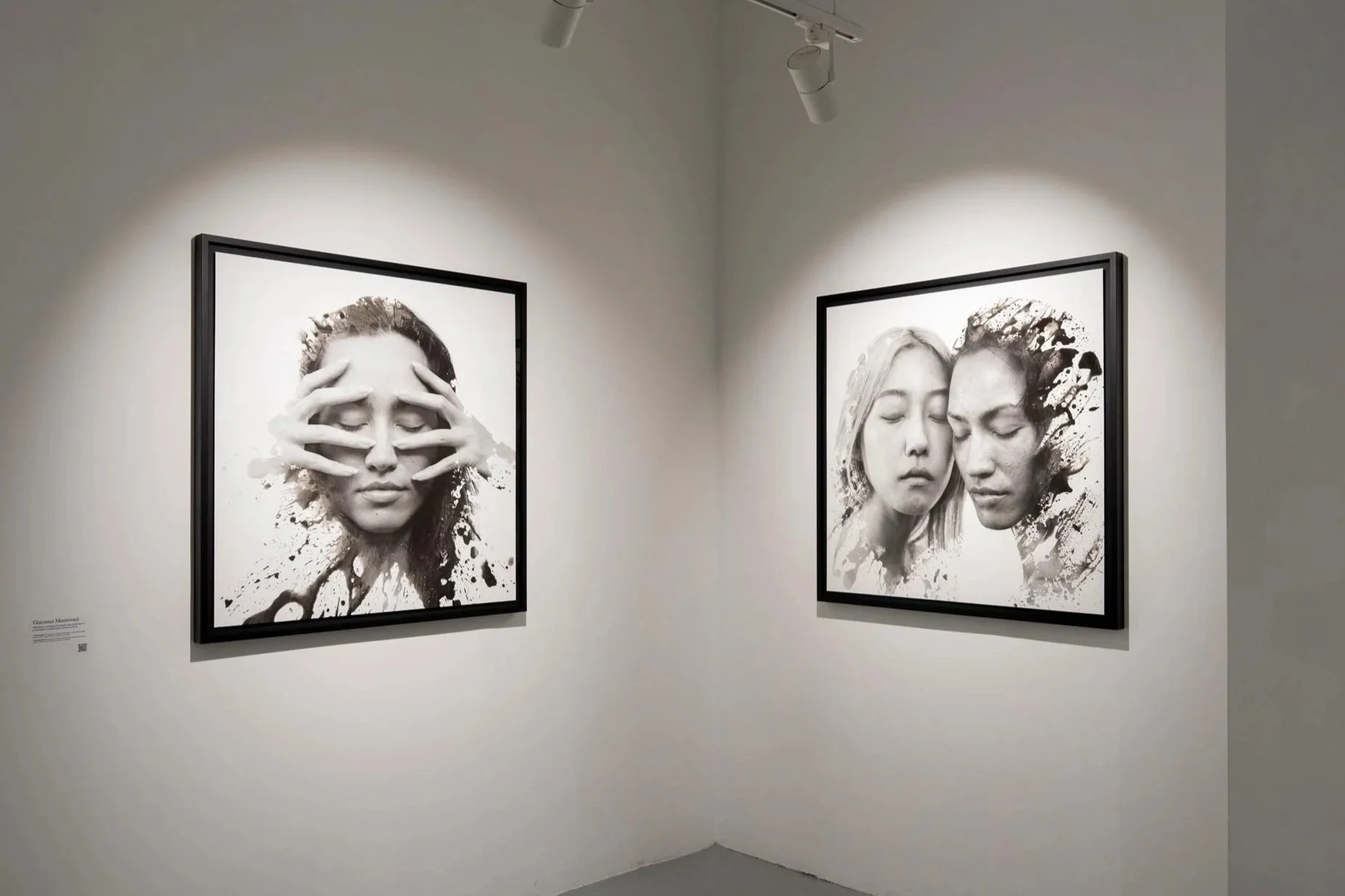
Limited editions

To ensure the editions remain truly limited, all non-final prints have been destroyed, leaving only 15 edition prints and 6 artist’s proofs for each image.
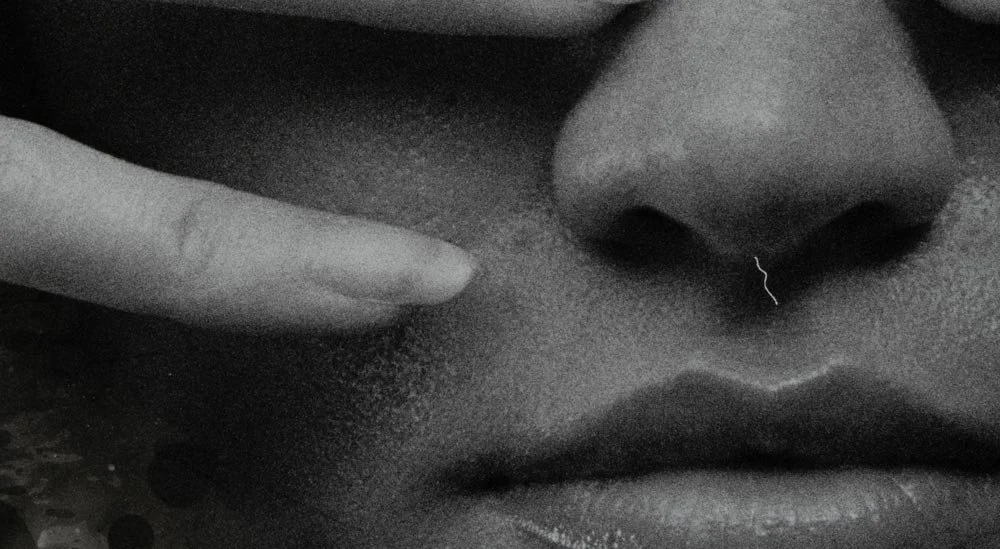
Authenticity in the digital age

Peaceful Minds represents Mantovani’s commitment to analogue photography as a testament to authenticity in a digital world dominated by AI.

Imperfections such as dust and hair are left unretouched as part of the medium’s DNA, and prove that the work is analogue.
Purchase Prints

About Giacomo Mantovani

Giacomo Mantovani built his reputation in the commercial field, producing creative projects for well-established clients including Rio Tinto, Nothing, Nokia, OnePlus and Logitech.

As an independent, award-winning filmmaker, director, and photographer, Mantovani has produced acclaimed short films such as ‘Plastic Garbage – Scourge of the Seas’ and ‘Lightning’, both shot entirely on smartphones. His dedication to the medium has made him an ambassador for mobile filmmaking and photography, leading him to host a series of panels and masterclasses.

In recent years, Mantovani has committed to analogue photography, developing projects such as LCKDN20, which reflect his passion for film and its timeless authenticity. His goal is to bring these prints to the most important museum collections in the world, to protect them and pass them on to the next generations.

In September 2025, Mantovani has donated the original film negative ‘Film 0_00004’ and the single-edition print ‘LCKDN20 – National Gallery F04’ to the National Gallery. Gabriele Finaldi, Director of the National Gallery, described the picture as “an image of great elegance and poignancy”, and the LCKDN20 project as “an extraordinary photographic project… both aesthetic and documentary.”